
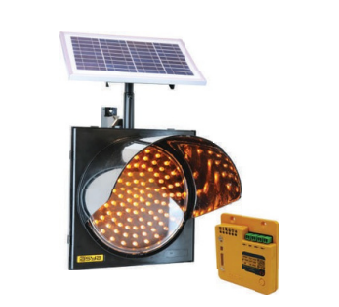
The 300 mm Solar Powered GPS Synchronized Flasher with LEDs is an advanced traffic warning device designed for intersections, highways, and high-traffic areas. This flasher uses GPS synchronization to coordinate flashing patterns across multiple units, ensuring consistent and visible signaling over long distances.
Powered entirely by solar energy, it operates independently of the electrical grid. The high-intensity 300 mm LEDs provide excellent visibility both day and night, while the GPS synchronization ensures multiple flashers work in unison for maximum traffic safety.
Type: 300 mm Solar-Powered GPS Synchronized LED Flasher
Power Source: Solar panel with rechargeable battery backup
LED Type: High-intensity, long-life LEDs
Flash Pattern: GPS synchronized flashing (steady or alternating)
Operating Voltage: 12V DC
Battery Backup: 12V / 10–15 Ah rechargeable battery
GPS Accuracy: ±2 meters for synchronization
Visibility Distance: ≥500 meters
Housing Material: UV-stabilized, weatherproof polycarbonate
Protection Class: IP65 (Dust & Water Resistant)
Operating Temperature: −40°C to +70°C
Lifetime: Up to 80,000 hours
Compliance: CE, RoHS
Solar-powered with no external electricity required
GPS synchronization allows multiple units to flash in unison
300 mm high-intensity LEDs for long-distance visibility
Weatherproof, UV-resistant, and durable for outdoor use
Easy installation on poles, walls, or tripods
Customizable flash patterns for different traffic scenarios
Reduces confusion at intersections and enhances road safety
Suitable for both temporary and permanent traffic safety deployments
Urban intersections and highway junctions
Construction zones and temporary traffic control areas
School zones and pedestrian crossings
Smart city traffic safety systems
Remote areas without reliable electrical infrastructure